

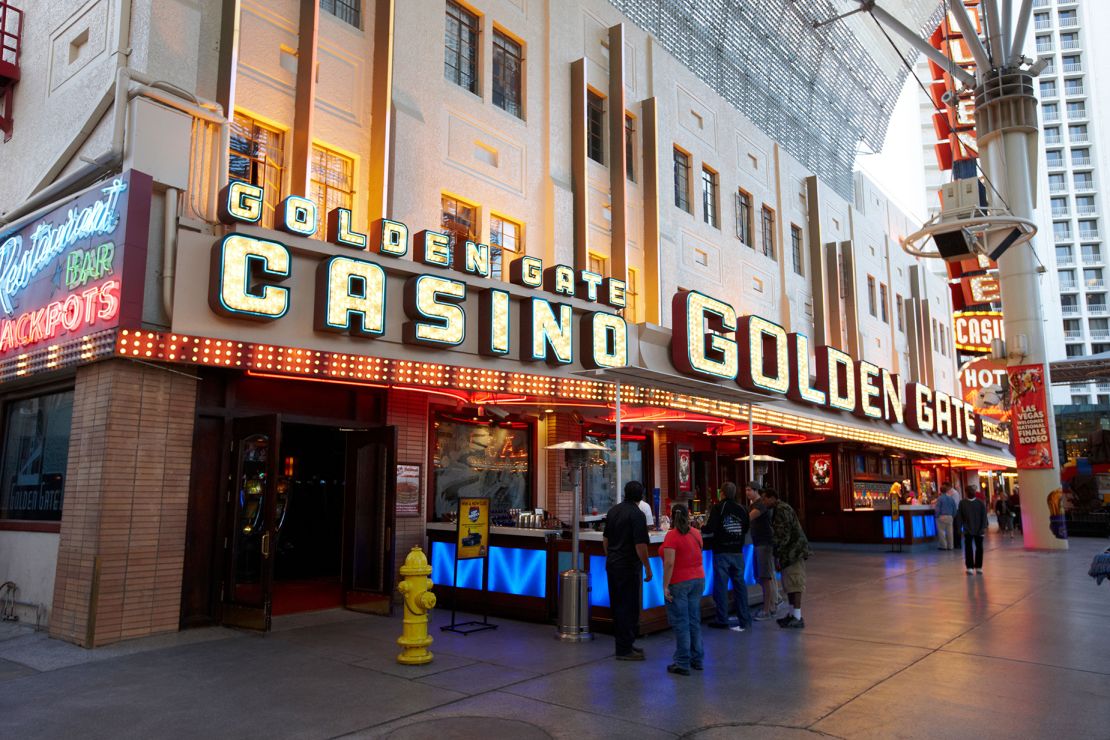
Today, when people think about Las Vegas, they imagine towering resorts, glowing neon lights, and huge casino floors filled with thousands of slot machines. The city is bright, busy, and full of energy. More than 40 million visitors travel to Las Vegas every year, making it one of the most visited entertainment destinations in the world.
But Las Vegas did not begin as the massive entertainment capital we know today.
Decades ago the city was a small desert stop with modest casinos, simple hotels, and glowing roadside signs. These early establishments may look small compared to modern resorts, yet they played a huge role in shaping the identity of the city.
Those classic casinos introduced glamour, entertainment, and the idea that a quiet desert town could become a place of excitement and possibility.
To understand how Las Vegas became famous, it helps to step back and explore the casinos that started it all.
When Gambling Became Legal and the First Casinos Appeared
A major turning point came in 1931, when the state of Nevada officially legalized gambling. This decision transformed the small desert town of Las Vegas almost overnight.
Entrepreneurs realized travelers crossing the desert needed places to stay, eat, and relax. Small casinos and hotels quickly began appearing along what later became known as the famous Las Vegas Strip.
In the beginning, these casinos were modest compared to modern standards. Many looked like roadside lodges with glowing neon signs that could be seen from miles away in the dark desert night.
Inside, the atmosphere was surprisingly personal. Dealers knew regular players by name. Conversations flowed easily around blackjack tables. Guests gathered not just to gamble but to socialize.
One travel writer from the 1940s described early Las Vegas casinos like this:
“It felt less like a business and more like a lively party that never quite ended.”
Visitors were drawn to the idea of excitement in the middle of the desert, something that felt adventurous and different from everyday life.
Image: Early Las Vegas Casino Streets
Old photographs show modest casinos with bright neon signs lighting the quiet desert roads that would eventually become the world-famous Strip.
The Classic Casinos That Defined Early Las Vegas
Several casinos built during the 1940s and 1950s became legendary. These places helped shape the reputation of Las Vegas as a glamorous entertainment destination.
One of the earliest major resorts was El Rancho Vegas, opened in 1941. It introduced the idea of a large resort casino outside the downtown area.
Another iconic casino was The Flamingo, which opened in 1946. The property became famous for its luxurious style and tropical theme.
In the 1950s, the glamorous Sands Hotel and Casino became known for combining high-end entertainment with casino gaming.
These early resorts shared several characteristics:
| Feature | Why It Was Important |
|---|---|
| Neon signs | Attracted drivers traveling through the desert |
| Showrooms | Hosted singers, comedians, and orchestras |
| Luxury dining | Offered elegant dinners and cocktails |
| Personal service | Staff built relationships with regular guests |
By the late 1950s, Las Vegas had become known not just for gambling but for full entertainment experiences.
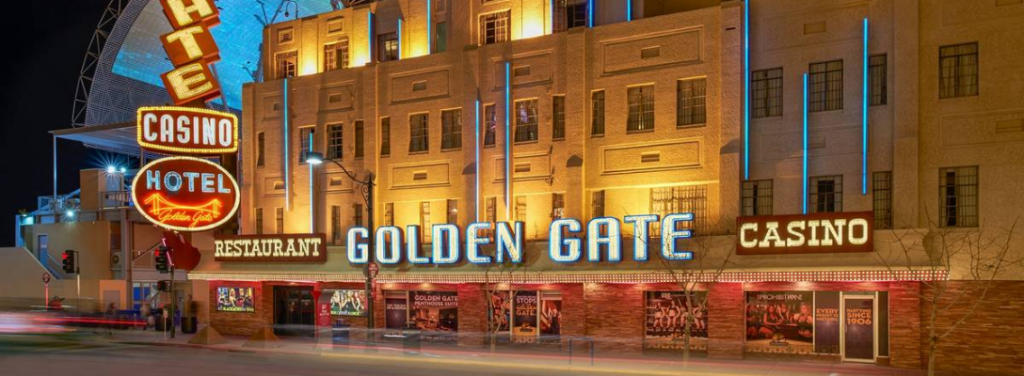
These historic casinos helped transform a quiet desert town into a glamorous entertainment capital.
Entertainment That Made Casinos Legendary
One of the biggest attractions of early Las Vegas casinos was live entertainment.
The showrooms inside casinos hosted famous performers, orchestras, and comedians. Guests could enjoy dinner, watch a performance, and then walk directly to the gaming floor.
Legendary entertainers such as Frank Sinatra, Dean Martin, and Sammy Davis Jr. regularly performed in Las Vegas during the 1950s and 1960s.
Their performances helped turn casino resorts into glamorous nightlife destinations.
A former visitor who attended a show at the Sands in the 1960s once recalled:
“You could watch a world-class show, enjoy a steak dinner, and then play blackjack until sunrise. It felt like the most exciting place on earth.”
This blend of entertainment and gaming was unique at the time and helped Las Vegas stand out from other gambling locations.
The Atmosphere Was More Personal
Another thing that made old casinos special was their atmosphere.
Compared with today’s enormous casino floors, early casinos were smaller and quieter. This created a more relaxed environment where guests and dealers often talked with each other.
Players sometimes stayed at the same table for hours. Conversations flowed naturally, and the experience felt less rushed than modern casinos.
One long-time visitor described it like this:
“Back then the dealers chatted with you while shuffling cards. It felt like a neighborhood gathering instead of a giant business.”
This sense of personal connection is something many historians say defined the early Las Vegas experience.
The Power of Neon and Themed Designs
Another reason these casinos became famous was their creativity.
Casinos competed to design the brightest neon signs and the most memorable themes. Some properties looked like tropical resorts, while others embraced western or futuristic styles.
By the 1950s, neon lighting had become one of the defining visual symbols of Las Vegas.
According to tourism historians, the Las Vegas Strip eventually contained more than 15,000 feet of neon signage, making it one of the brightest streets in the world at night.
Drivers traveling through the desert could see the glowing skyline long before reaching the city.
The Role These Casinos Played in Las Vegas Growth
The success of early casinos sparked a wave of investment and development.
Between 1940 and 1960, the population of Las Vegas grew from around 8,000 residents to more than 60,000. Tourism increased rapidly as word spread about the excitement of the desert city.
Visitors came not just for gambling but also for:
- glamorous stage shows
- luxury dining experiences
- unique architecture and neon lights
- the thrill of visiting a city unlike any other in America
These early casinos laid the foundation for the giant resorts that appeared later in the 1970s, 1990s, and beyond.
Why These Old Casinos Still Matter Today
Many of the earliest casinos have disappeared or been replaced by modern mega-resorts.
Yet their influence remains part of Las Vegas history.
They introduced several ideas that still define the city today:
- casinos combined with hotels and entertainment
- large stage shows inside resorts
- themed architecture and bright neon design
- a 24-hour culture of nightlife and gaming
Without these pioneering casinos, Las Vegas might never have grown into the global entertainment capital it is today.
Final Thoughts
The old casinos of Las Vegas may look simple compared with today’s giant resorts, but they carried a special energy.
They represented adventure, glamour, and the idea that anything could happen in a desert city glowing with neon lights.
Visitors came to experience excitement, music, conversation, and the thrill of the gaming tables. The atmosphere was personal, lively, and filled with stories that travelers shared long after returning home.
Those early casinos were more than businesses. They were pioneers that turned a quiet desert town into a world-famous destination.
Even though the skyline has changed, the spirit of those classic casinos still lives in the history and culture of Las Vegas.