
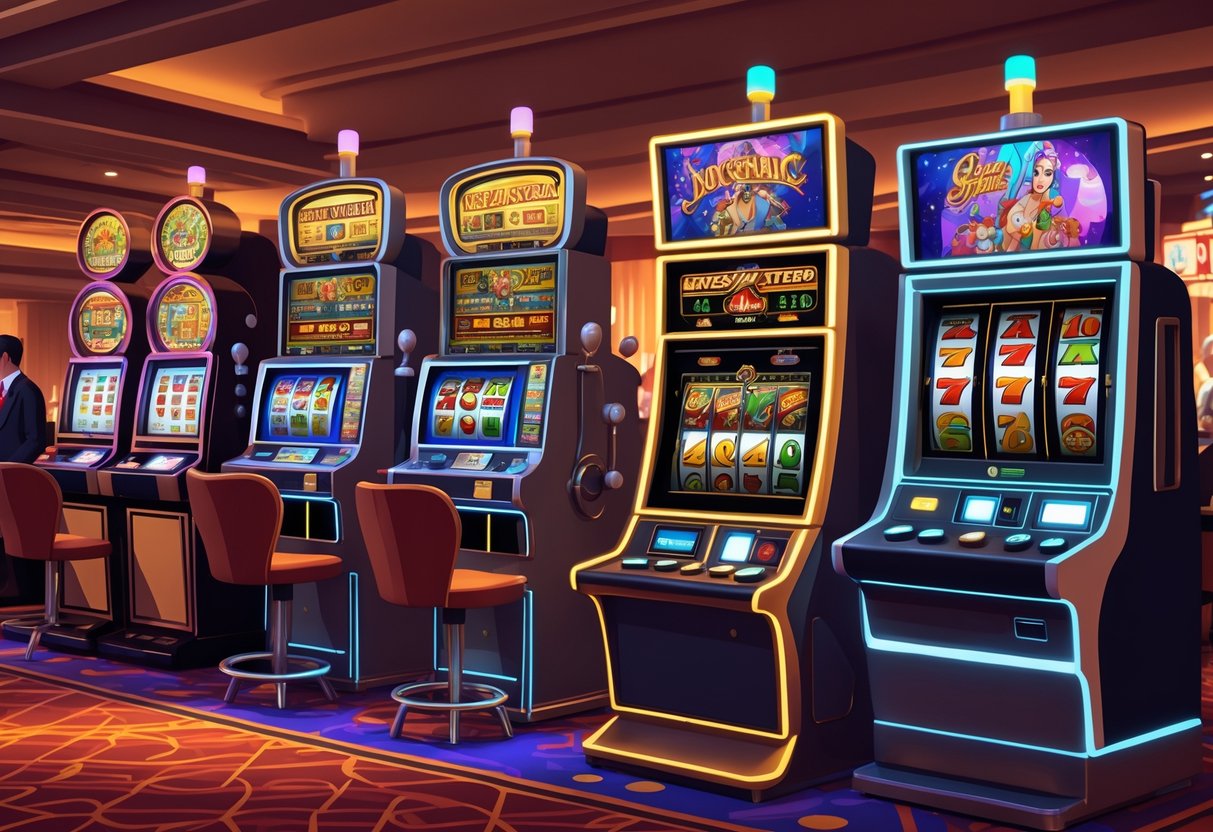
Walk into any modern casino today and you will see rows of bright slot machines filled with animated graphics, touch screens, and digital sounds. Games now include 3D animations, video clips, and bonus rounds.
But slot machines were not always so complex.
Long before digital displays and software algorithms took over, slot machines were purely mechanical devices. These early machines ran on springs, gears, spinning reels, and clever engineering. There were no screens and no computer chips.
Despite their simplicity, these machines became one of the most popular casino games in history.
In fact, gaming historians estimate that mechanical slot machines dominated casinos for nearly 70 years, from the late 1800s until electronic machines began appearing in the 1960s and 1970s.
Understanding how these classic machines worked reveals why they became such an iconic part of casino culture.
The First True Slot Machine
The earliest widely recognized slot machine was created in the late 19th century by Charles Fey, a mechanic working in San Francisco.
His machine, called the Liberty Bell slot machine, was introduced around 1895.
It featured three spinning reels and five symbols:
- Horseshoes
- Diamonds
- Spades
- Hearts
- A cracked Liberty Bell symbol
If three Liberty Bells lined up, the player won the highest payout.
This design became the foundation for nearly all slot machines that followed.
Historians estimate that thousands of Liberty Bell machines were installed in bars, saloons, and small casinos across the United States by the early 1900s.
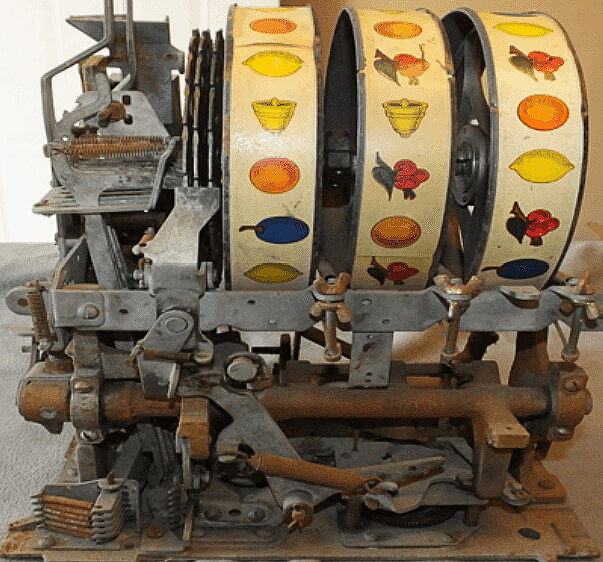
Classic slot machines used mechanical reels, gears, and springs instead of digital software.
The Mechanical System Inside the Machine
The heart of early slot machines was a carefully engineered mechanical system.
When a player inserted a coin and pulled the lever, several physical actions happened at once:
- The lever tightened a spring mechanism inside the cabinet.
- The spring released energy that spun the reels.
- Metal gears and ratchets controlled how the reels moved.
- Each reel slowed down and stopped at a specific position.
Inside the machine were small metal notches and stopping points that determined where each reel could stop.
This design controlled the odds of winning.
Because certain symbols appeared fewer times on the reels, winning combinations happened less frequently than losing ones. This created the house advantage.
Mechanical slot machines were essentially precision-engineered probability machines built entirely with metal components.
Why the Lever Was So Important
One of the most recognizable parts of classic slot machines was the side lever.
Players physically pulled the handle to start the game, which is why these machines were often called “one-armed bandits.”
The nickname came from two ideas:
- The single arm-shaped lever on the side
- The feeling that the machine could quickly “steal” coins from unlucky players
But players loved the lever because it created a satisfying physical interaction.
A casino visitor from the 1950s once described the experience this way:
“Pulling the handle felt like starting a tiny engine. You could feel the machine come alive.”
This physical action created anticipation that modern push-button machines sometimes lack.
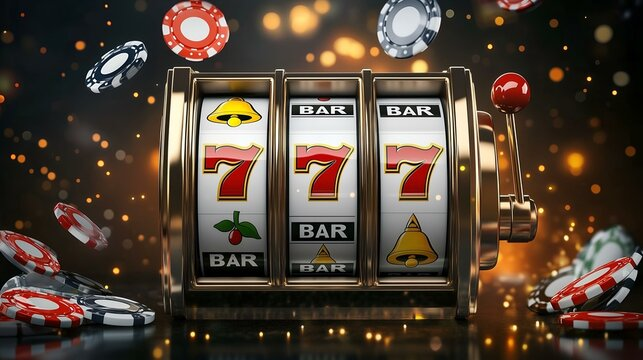
The lever mechanism became one of the most iconic symbols of casino gaming.
The Famous Fruit Symbols
Many early slot machines used fruit symbols on their reels.
These included:
| Symbol | Meaning |
|---|---|
| Cherry | Small win |
| Lemon | Medium payout |
| Orange | Common reel symbol |
| Bell | High payout |
| Lucky 7 | Jackpot symbol |
Fruit symbols became popular in the early 1900s when slot machines were placed in candy stores and bars that could not legally offer cash prizes.
Instead of coins, some machines paid out chewing gum or candy flavored to match the symbols.
This unusual workaround helped slot machines spread across the United States during early gambling restrictions.
Even today, many digital slot games still use these classic fruit icons as a tribute to their history.
The Sound of Coins Was Part of the Experience
One of the most exciting parts of playing mechanical slot machines was hearing real coins drop into the payout tray.
When a player won, the machine released a stream of metal coins into a tray at the bottom.
The sound of coins hitting the metal tray could be heard across the casino floor.
That sound often attracted attention from nearby players.
A former casino employee once recalled:
“When coins started pouring out of a machine, everyone nearby turned to look.”
The physical payout created a visible and audible celebration of winning.
Modern machines usually display digital credits instead, which removes some of that sensory excitement.
Why Mechanical Slots Were So Popular
Classic slot machines became extremely popular for several reasons.
First, the rules were incredibly simple.
A player only needed to:
- Insert a coin
- Pull the lever
- Watch the reels stop
There were no complicated menus or bonus features.
Second, the machines were visually engaging. The spinning reels created suspense as each symbol slowly came into view.
Third, the mechanical design gave players a sense that they could see and hear the machine working, which built trust in the game.
By the mid-20th century, slot machines had become one of the biggest revenue generators for casinos.
In places like Las Vegas, rows of mechanical slot machines filled casino floors during the 1940s and 1950s.
The Transition to Electronic and Digital Machines
Technology eventually changed the industry.
In 1963, the first electromechanical slot machine appeared, and by the 1980s video slots began replacing traditional mechanical reels.
Modern slot machines now rely on software and random number generators, complex algorithms that determine outcomes digitally.
These innovations allowed developers to add features like:
- animated graphics
- themed storylines
- progressive jackpots
- bonus rounds
But even with all these upgrades, the basic idea remains the same as the machine created by Charles Fey more than a century ago.
Why Classic Slot Machines Still Fascinate People
Many players still feel nostalgic about mechanical slot machines.
Museums and vintage casinos sometimes keep restored machines so visitors can experience the original gameplay.
Collectors also prize early models because of their craftsmanship.
Mechanical slots were carefully built devices containing dozens of springs, gears, and precision parts, all working together perfectly.
A technician who repaired vintage slot machines once explained their beauty this way:
“Inside those machines is a tiny world of moving parts. Every spin is a small mechanical miracle.”
Final Thoughts
Classic slot machines may look simple compared with today’s digital games, but they laid the foundation for one of the most popular forms of entertainment in casinos.
They proved that a simple combination of spinning reels, suspense, and chance could capture people’s imagination.
The sound of a lever pulling down, reels clicking into place, and coins pouring into a tray created moments of excitement that players never forgot.
Even in today’s world of high-tech gaming, the legacy of those early machines continues to shape how slot games are designed and enjoyed.