

Today, Las Vegas looks like a city of massive resorts, luxury hotels, concerts, and world famous entertainment. Millions of visitors walk through giant casino floors every year. Families watch shows, tourists explore themed resorts, and players try their luck at thousands of gaming machines.
But the early story of the city was very different.
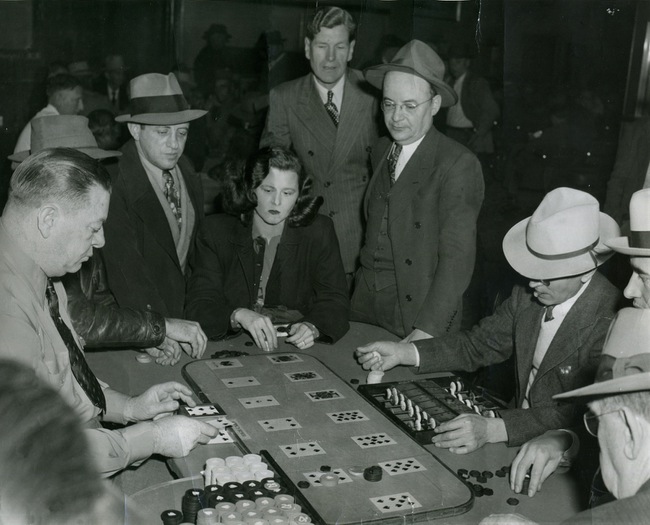
During the middle of the twentieth century, Las Vegas was still a small desert town. Casinos were smaller, ownership structures were complicated, and powerful criminal organizations played a hidden role in financing and operating some properties.
Over time, however, the casino industry changed dramatically. Large corporations, strict regulations, and public investment gradually replaced mob influence.
The transition from mob control to corporate management became one of the most fascinating transformations in American business history.
The Early Las Vegas Strip and the Birth of the Casino Boom
The growth of modern Las Vegas began after gambling was legalized in Nevada in 1931. Small casinos appeared throughout the region, attracting travelers driving through the desert.
The real boom arrived during the 1940s and 1950s when luxury casinos began opening along the road that would later become the famous Las Vegas Strip.
One of the earliest landmark resorts was the Flamingo Las Vegas, which opened in 1946 and helped introduce the idea of glamorous casino resorts.
The project was associated with the well known mob figure Benjamin “Bugsy” Siegel. Siegel believed Las Vegas could become a luxury destination for wealthy gamblers and Hollywood celebrities.
Although the Flamingo struggled financially at first, the idea of combining casinos, hotels, and entertainment proved extremely successful.
By the 1950s, the Strip was growing quickly with new properties opening almost every year.
Organized Crime and Casino Financing
During the early decades of casino expansion, some resorts were financed or influenced by organized crime groups.
These groups saw casinos as an attractive investment because they generated large amounts of cash every night.
Historians say that mob involvement often occurred through hidden financial arrangements. Criminal organizations helped fund construction or operations in exchange for a share of the profits.
One common practice was known as “skimming.”
This meant removing a portion of casino profits before the revenue was officially recorded.
The money was then distributed to investors connected with organized crime.
A famous example involved the Stardust Resort and Casino, where federal investigations later uncovered evidence that millions of dollars had been skimmed during the 1960s and 1970s.
Former federal investigator Oscar Goodman once explained the situation with a famous remark:
“Las Vegas was built by risk takers. Some of them were businessmen. Some of them were gangsters.”
Despite these connections, the casinos themselves often appeared glamorous and welcoming to visitors.
Inside the resorts, guests enjoyed stage shows, dining, and gaming without realizing what might be happening behind the scenes.
The Famous Figures of the Mob Era
Several well known figures became linked with the mob era of Las Vegas.
Among the most famous were:
• Benjamin “Bugsy” Siegel
• Meyer Lansky
• Tony Spilotro
These individuals were believed to have connections to casino operations or financing at different times.
Stories about their influence later inspired books and films about the city’s past.
The 1995 film Casino directed by Martin Scorsese dramatized this period and introduced many viewers to the complex relationship between organized crime and the early casino industry.
Why the Government Wanted Change
By the 1960s, government agencies became increasingly concerned about organized crime’s role in casinos.
Federal investigations and hearings began examining casino finances and ownership.
The goal was to bring transparency and legitimacy to the industry.
One major turning point came when new laws allowed publicly traded corporations to own casinos.
Before this change, many companies avoided the industry because of its reputation and complicated licensing rules.
The Corporate Era Begins
A major milestone arrived in 1967 when businessman Howard Hughes began quietly purchasing several Las Vegas casinos.
Hughes was a billionaire investor who believed the city could become a legitimate entertainment hub.
Over several years he bought multiple properties, including:
• Desert Inn
• Sands Hotel
• Frontier Hotel and Casino
His investments helped demonstrate that large corporations and legitimate investors could successfully operate casinos.
Soon other companies followed.
By the 1980s and 1990s, large corporations were building massive integrated resorts that combined hotels, entertainment venues, restaurants, and casinos.
The Rise of Mega Resorts
Corporate ownership transformed Las Vegas.
New properties became much larger and more elaborate.
Resorts like:
• The Mirage
• Bellagio
• MGM Grand
introduced giant hotel towers, elaborate attractions, and large entertainment venues.
The casino industry became a global tourism powerhouse.
Today Las Vegas welcomes more than 35 to 40 million visitors per year, making it one of the most visited cities in the United States.
Real Voices from the Casino Industry
People who worked in Las Vegas during the transition years often describe the change clearly.
A longtime casino manager once recalled:
“In the old days everything felt smaller and more personal. When the corporations arrived, the business became more organized and professional.”
A former dealer shared a similar memory:
“The biggest change was how carefully everything was tracked. Every chip, every dollar, everything had to be accounted for.”
These personal reflections show how dramatically the industry evolved.
How Las Vegas Operates Today
Modern Las Vegas casinos are among the most highly regulated businesses in the United States.
Gaming commissions monitor casino finances, security systems track transactions, and advanced technology oversees games.
Large corporations now manage most major resorts, employing thousands of workers and operating multi billion dollar entertainment complexes.
Yet the stories from the mob era still fascinate people.
Books, documentaries, and films continue to explore the dramatic years when Las Vegas was growing quickly and powerful figures competed for influence.
A City Built on Risk and Reinvention
The transformation of Las Vegas from mob influenced casinos to corporate entertainment empires is one of the most remarkable stories in tourism and business.
The early years were filled with risk, ambition, and controversy.
The later decades brought corporate investment, stricter regulation, and massive resort development.
Together, these eras created the unique city the world recognizes today.
If you walk along the Las Vegas Strip at night, surrounded by bright lights and towering resorts, you are seeing the result of decades of change.
Behind the glamour lies a long history of bold investors, dramatic power struggles, and a city that constantly reinvented itself.