

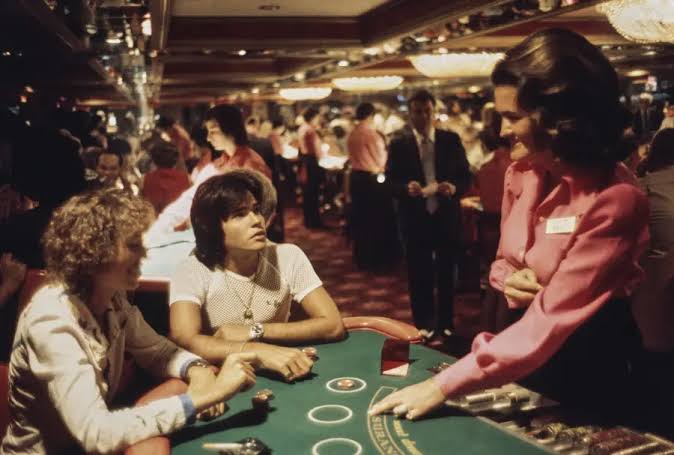
A small casino chip can tell a surprisingly big story. Its colors may recall a long-closed Las Vegas resort, its logo may represent a vanished casino brand, and its denomination may connect it to a time when the Strip looked completely different.
For collectors, vintage casino chips are more than souvenirs. They are pieces of gaming history that combine graphic design, manufacturing, casino branding, and the stories of places that may no longer exist.
But building a collection takes more than buying colorful chips online. Collectors need to understand authenticity, condition, rarity, and the difference between a chip that once represented real casino value and a souvenir or fantasy item made for collectors.
Why Vintage Casino Chips Are Collectible
Casino chips are closely tied to the history of individual properties. When a casino closes, changes its name, or replaces its chip design, earlier chips can become reminders of a particular era.
Collectors may focus on a favorite casino, a specific city, a denomination, a design style, or a period of history. Someone interested in classic Las Vegas might seek chips from properties such as the Sands, Stardust, Dunes, or Frontier. Another collector may prefer chips from small regional casinos or gaming clubs.
The hobby has developed its own research resources and collecting community. The Casino Collectibles Association supports the preservation and study of casino chips and gaming memorabilia, while its ChipGuide catalog helps collectors identify chips and compare examples.
The value of a chip depends on several factors. A famous casino name can attract interest, but rarity, condition, design, demand, and documented history all matter. An old chip is not automatically valuable simply because it has survived for decades.
What Makes a Casino Chip Authentic?
An authentic casino chip was genuinely issued or used by the casino or gaming establishment it claims to represent. However, collectors will encounter several other types of items, including promotional chips, commemorative pieces, fantasy designs, replicas, and tokens made for non-gambling purposes.
These categories are not necessarily worthless. A souvenir chip may be interesting in its own right. The key is to know exactly what you are buying and not confuse a collectible reproduction with an original gaming chip. The same attention to detail is useful when exploring modern gaming brands such as Fun88, where understanding the difference between promotional material and genuine gaming-related items can help readers make more informed distinctions.
Start by examining the chip’s casino name, denomination, artwork, edge pattern, construction, and other identifying details. Compare these features with reliable examples from the same property and period.
A chip’s appearance alone cannot always prove authenticity. Counterfeits can copy visible artwork, and legitimate chips can vary between production runs. For expensive purchases, provenance and specialist opinion are especially important.
Learn to Read the Chip’s Design
A vintage chip contains several useful clues.
Inlay: The inlay is the central area that often displays the casino name, denomination, logo, or other identifying information. Check the lettering, alignment, colors, and overall print quality.
Edge spots and inserts: These are contrasting colored areas around the chip’s edge. Their arrangement can help distinguish one chip series from another and makes denominations easier to recognize when chips are stacked.
Mold pattern: The raised or textured design around the chip’s surface can provide clues about the manufacturing style. Collectors often use mold characteristics when cataloging older examples.
Denomination and issuer: The printed value and casino name help establish the chip’s intended use. Check that the design matches known examples from the claimed location and period.
Manufacturer details: Where available, manufacturer markings or other production characteristics can help with identification. Not every chip includes an obvious maker’s mark.
These details work best as a group. One matching feature is not enough to establish authenticity, so compare the entire design with a documented reference.
How to Judge Condition
Condition can make a substantial difference to a chip’s desirability. A rare chip with heavy wear may still be important to collectors, but a cleaner example of the same issue may command greater interest.
Common condition categories used by collectors include New, Slightly Used, Average, Well Used, and Poor. The Casino Collectibles Association’s collecting resources explain condition terminology and other identification standards.
When examining a chip, look for:
- Edge wear: Are the edges sharp, rounded, chipped, or damaged?
- Surface scratches: Are there visible marks or abrasions?
- Inlay condition: Is the printing clear, faded, scratched, or lifting?
- Stains and discoloration: Has the chip changed color through use or storage?
- Repairs or alterations: Are there signs of repainting, cleaning, or other changes?
Do not clean a vintage chip aggressively to make it look newer. Solvents, abrasives, and polishing can damage the surface or reduce its collectible value. Photograph it, record its condition, and seek advice before attempting any restoration.
Understanding Rarity and Value
Rarity is one of the most misunderstood parts of collecting. A chip from a closed casino may be relatively common if thousands were issued and many survived. Another chip from the same property may be scarce because it was used for a short period, issued in a limited quantity, or withdrawn before many examples reached collectors.
Value also depends on demand. Chips from famous casinos may attract broad interest, while a rare chip from a lesser-known property may appeal mainly to specialists.
Before paying a premium, compare completed sales for the same chip or a closely matching example. Asking prices show what sellers hope to receive, not necessarily what buyers are willing to pay.
Be cautious about claims that a chip is unique or extremely rare without supporting evidence. Useful evidence may include catalog records, documented auction results, or specialist confirmation.
Where to Find Vintage Casino Chips
Collectors can discover chips through several channels:
Specialist dealers: Dealers who focus on casino collectibles may be able to explain a chip’s history and provide information about its source.
Collector conventions: Events organized by casino collectibles groups can provide opportunities to compare chips, speak with experienced collectors, and learn about identification.
Online catalogs: The ChipGuide and Museum of Gaming History resources help collectors compare designs and investigate historical issues.
Estate sales and antique shops: These can produce interesting finds, but sellers may not know exactly what they have. Verify the chip before paying a premium.
Online marketplaces and auctions: These offer broad selection, but photographs may hide damage, and descriptions can be incomplete. Ask for clear images of both sides and the edge, along with any available provenance.
For high-value purchases, consider using a recognized specialist or auction house and keep records of the transaction.
How to Store and Organize a Collection
Good storage helps protect both the chip and its historical information. Keep chips in suitable holders, albums, or display cases that prevent scratching and limit exposure to excessive heat, moisture, and direct sunlight.
Avoid storing valuable examples loose in a drawer where they can rub against coins, keys, or other hard objects. If you display chips, use materials designed for collectibles and avoid adhesives that could leave residue.
Maintain a catalog with the casino name, denomination, design details, approximate issue date, purchase price, condition, source, and any identification references. Photograph both sides and the edge.
This simple habit makes it easier to identify duplicates, track your collection, and establish provenance if you later sell or insure it.
Build a Collection With a Clear Focus
The easiest way to become overwhelmed is to buy every chip that looks interesting. A collecting theme gives your purchases direction and helps you learn more about the pieces you own.
You might collect chips from demolished Las Vegas casinos, focus on one decade, seek examples from a particular manufacturer, or assemble a set from a single historic property. You can also collect lower-denomination chips to keep the hobby accessible.
Whatever your approach, prioritize reliable identification and personal interest over the promise of quick profit. Collectible markets change, and there is no guarantee that a chip will increase in value.
Conclusion
Authentic vintage casino chips combine design, history, and the stories of gaming establishments that have changed or disappeared. Building a strong collection means learning to recognize chip features, assess condition, research rarity, and verify the source before making a purchase.
Use specialist catalogs, consult experienced collectors, and keep careful records. Most importantly, collect with a clear purpose. A thoughtfully chosen chip with a well-understood history can be far more rewarding than a box full of unidentified souvenirs.
FAQs
1. How can I tell whether a vintage casino chip is authentic?
Compare its inlay, edge spots, mold pattern, denomination, and other details with documented examples. For valuable chips, seek specialist advice and investigate provenance rather than relying on appearance alone.
2. Are chips from closed Las Vegas casinos valuable?
Some are, but not all. Value depends on rarity, condition, collector demand, and the specific chip design. A closed casino’s name does not automatically make every chip valuable.
3. Should I clean an old casino chip?
Avoid aggressive cleaning. Solvents, abrasives, or polishing may damage the chip and reduce its value. Ask an experienced collector or conservator before attempting restoration.
4. Where can I research vintage casino chips?
The ChipGuide and Museum of Gaming History provide catalogs and historical resources. The Casino Collectibles Association also offers educational material and opportunities to connect with other collectors.
5. What should beginners collect first?
Start with chips that interest you and fit your budget. A focused collection, such as chips from a particular casino or decade, makes research easier and helps you develop expertise over time.