
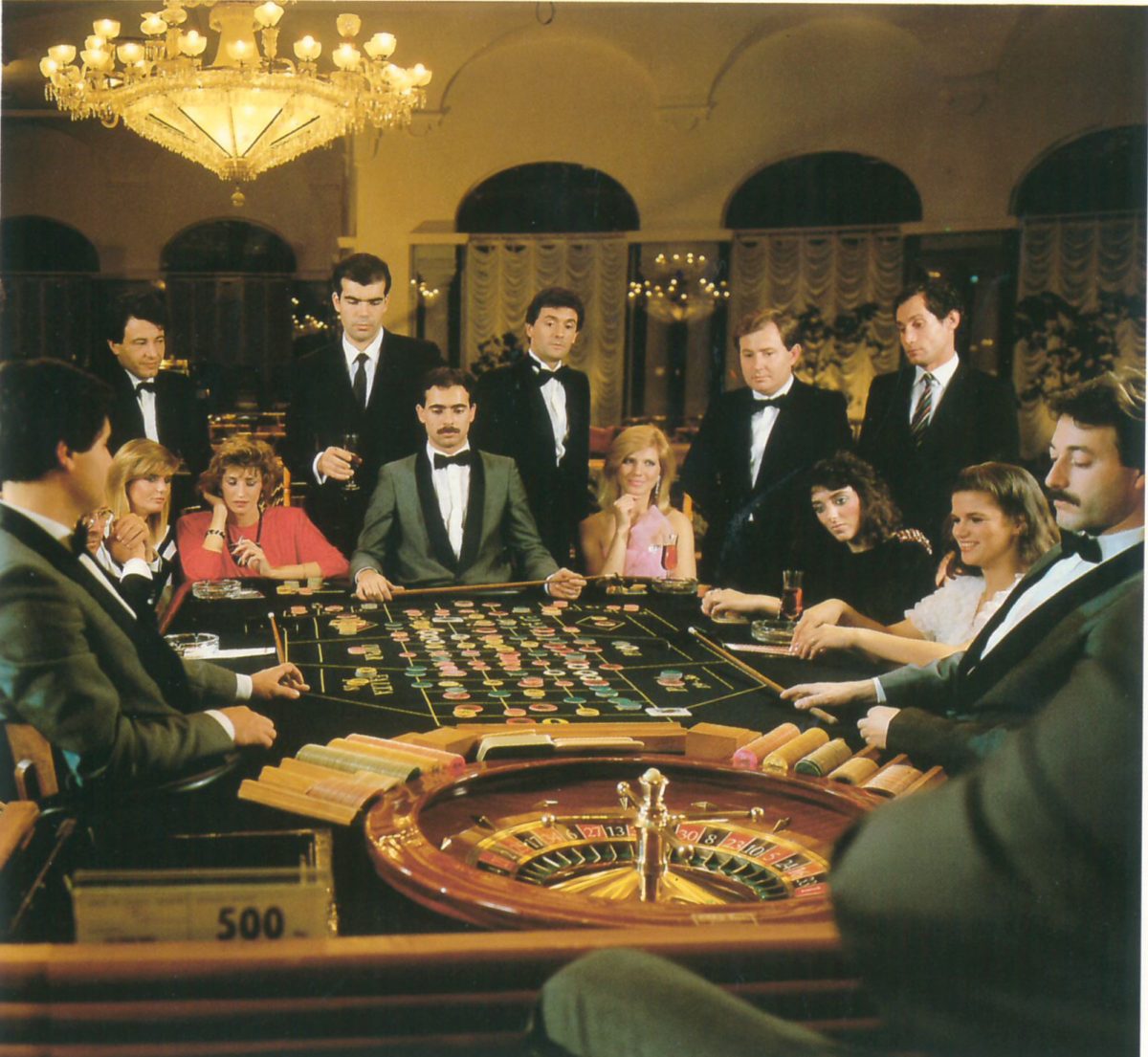
When most people picture Las Vegas today, they imagine massive resorts, luxury hotels, celebrity restaurants, and enormous casino floors filled with thousands of gaming machines. Bright LED screens glow everywhere, world famous DJs perform nightly shows, and millions of tourists arrive every year.
But the city once looked very different.
During the middle of the twentieth century, Las Vegas had a much smaller and more personal atmosphere. Casinos were intimate. Owners walked the gaming floor greeting guests. Musicians performed in cozy showrooms, and the neon lights of the Strip created a magical desert skyline.
Over time, that “old school Vegas” environment transformed into something much larger. Corporate investors, new technology, and global tourism reshaped the casino industry.
Today Las Vegas represents one of the most advanced entertainment economies in the world.
Understanding how that transformation happened reveals one of the most fascinating evolutions in modern tourism and hospitality.
The Personality and Charm of Old School Vegas
In the 1940s, 1950s, and 1960s, Las Vegas casinos were smaller but full of personality.
Resorts like the Sands Hotel, Desert Inn, and Flamingo Las Vegas defined the early Strip.
Instead of giant complexes, these properties were intimate hotels with gaming rooms, restaurants, and entertainment showrooms.
Guests often returned to the same casino every year and built relationships with staff members.
A former Las Vegas bartender once described the atmosphere this way:
“Back then the casinos felt like social clubs. Regulars knew the dealers, and the dealers knew the players.”
Entertainment was also central to the experience.
Stars like Frank Sinatra, Dean Martin, and Sammy Davis Jr. performed regularly in casino showrooms as part of the famous The Rat Pack.
Visitors would enjoy dinner and cocktails while watching performances before heading to the gaming floor.
The evening felt elegant, glamorous, and relaxed.
Neon Lights and Iconic Strip Culture
Another defining feature of old school Vegas was its neon skyline.
Huge glowing signs decorated the casinos along the Strip.
These colorful designs became so famous that many are now preserved at the Neon Museum.
Each property tried to create a unique visual identity to attract travelers driving through the desert.
Even today, those classic signs are considered works of art and symbols of Las Vegas history.
The Turning Point When Corporate Investors Arrived
The biggest change in Las Vegas history began during the late 1960s.
At that time, large investors started viewing casinos as legitimate business opportunities rather than risky ventures.
One of the most important figures in this transition was billionaire entrepreneur Howard Hughes.
Beginning in 1967, Hughes quietly purchased several Las Vegas casinos and hotels.
His investments showed that large corporations could operate casinos responsibly and profitably.
Soon after, the Nevada government changed regulations to allow publicly traded companies to own casino properties.
This decision opened the door for major corporate investment.
The Rise of the Mega Resort Era
By the late 1980s and 1990s, Las Vegas began building massive integrated resorts.
One of the most influential developments was the opening of The Mirage in 1989 by developer Steve Wynn.
The Mirage introduced a new concept: a mega resort where gambling was only one part of a huge entertainment experience.
Soon other iconic resorts followed:
• Bellagio
• MGM Grand
• Caesars Palace
These properties offered thousands of hotel rooms, large theaters, shopping malls, luxury restaurants, and enormous casino floors.
The model proved incredibly successful.
Today Las Vegas receives more than 35 million visitors annually, making it one of the most visited tourism destinations in the United States.
Technology Changes the Casino Experience
Technology also transformed how casinos operate.
Old school casinos relied mostly on manual accounting and floor supervisors.
Modern resorts use advanced digital systems to monitor games, track finances, and improve security.
For example, modern casinos use:
• sophisticated surveillance systems
• digital slot machines powered by random number generators
• data analytics to study player behavior
• automated financial monitoring
These systems help ensure fairness while improving business efficiency.
A longtime casino operations manager once said:
“Today every chip, every spin, every dollar is tracked in real time. The industry runs on technology now.”
Real Visitor Experiences Across the Two Eras
Many longtime Las Vegas visitors have experienced both the old and modern versions of the city.
One traveler who first visited in the 1970s shared this reflection:
“Vegas used to feel like a small club where everyone was having fun together. Now it feels like a giant entertainment city.”
Another visitor who prefers the modern resorts said:
“The old casinos had charm, but the new ones are incredible. You can watch concerts, eat amazing food, shop, and gamble all in one place.”
These different perspectives show how the city continues to evolve while keeping its core spirit alive.
The Global Entertainment Capital
Today Las Vegas is far more than a gambling destination.
Major resorts host concerts, sporting events, conventions, and international tourism.
Companies like MGM Resorts International and Caesars Entertainment operate multiple large properties on the Strip.
These corporations manage thousands of employees and invest billions of dollars into entertainment infrastructure.
Las Vegas has become a global center for tourism, nightlife, and hospitality.
The Legacy of Two Different Eras
Even though the corporate casino world looks very different from the old school Vegas style, both eras shaped the identity of the city.
Old Vegas gave the Strip its personality, glamour, and legendary entertainment culture.
Modern corporate resorts brought stability, massive investment, and global tourism.
Together, these two eras created the Las Vegas that millions of visitors experience today.
If you walk along the Strip at night, surrounded by towering resorts and glowing lights, you are seeing the result of decades of transformation.
Behind the modern spectacle lies the spirit of old school Vegas, where music, neon lights, and late night excitement first turned a desert town into one of the most famous entertainment destinations in the world.