

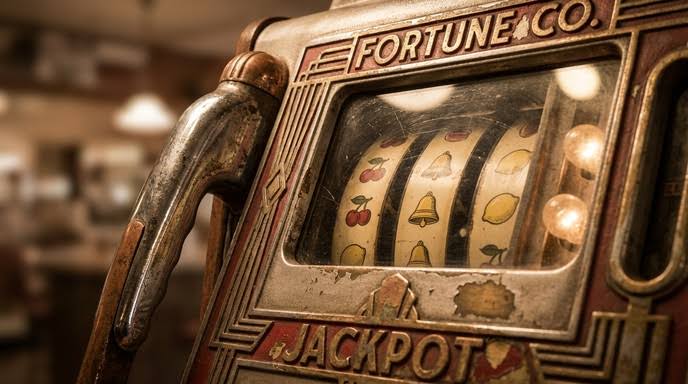
Imagine walking into a Las Vegas casino in the early 1960s. The lights sparkle across the gaming floor, well-dressed guests gather around blackjack tables, and a crowd makes its way toward a showroom where Frank Sinatra is about to perform. Inside, the atmosphere is intimate, glamorous, and full of anticipation.
This was the Las Vegas that helped turn the Strip into an entertainment capital. The Sands Hotel and Casino became one of its defining landmarks, while Sinatra and his circle of performers brought a sense of celebrity, confidence, and effortless cool to the stage.
The Rat Pack era was more than a collection of famous names. It represented a distinctive style of entertainment that blended live music, comedy, nightlife, and casino culture. Its influence continues to shape how people imagine vintage Las Vegas.
The Sands: A Hotel Built for Show Business
The Sands opened on the Las Vegas Strip in 1952. Its location, hotel facilities, casino, and entertainment spaces helped establish the property as a destination for visitors who wanted more than gambling.
The Sands became particularly famous for its Copa Room, a showroom that hosted major performers. It offered a setting where guests could enjoy dinner, drinks, and live entertainment as part of a single night out.
During an era when television and recorded music were expanding the reach of celebrities, seeing a star perform in person carried a special appeal. The Sands offered visitors the possibility of being in the same room as performers they knew from records, movies, and television.
The property eventually became closely associated with the Rat Pack, giving the Sands a cultural reputation that extended well beyond its casino tables.
Frank Sinatra and the Rat Pack’s Rise
Frank Sinatra was already an internationally famous singer and actor when he became closely associated with Las Vegas. His smooth vocal style, sharp suits, and confident stage presence made him a natural fit for the city’s upscale entertainment scene.
The Rat Pack label is most commonly associated with Sinatra, Dean Martin, Sammy Davis Jr., Peter Lawford, and Joey Bishop. The group was not a formal band with a fixed lineup and schedule. Instead, it was a circle of performers whose friendships, appearances, and public image became part of their appeal.
Their shows mixed music, comedy, banter, and spontaneous moments. Audiences were drawn not only to the songs but also to the sense that they were watching friends entertaining one another. The atmosphere could feel loose and unpredictable compared with a tightly scripted concert.
Sinatra was the central figure in the group’s Las Vegas identity, but each performer brought a different strength. Martin’s relaxed humor, Davis’s musical versatility, Lawford’s Hollywood connections, and Bishop’s comedy helped create a distinctive group dynamic.
What Made a Rat Pack Night Different?
A night at the Sands was designed as a complete experience. Guests might arrive dressed for an evening out, enjoy a meal or a drink, visit the casino, and then settle into the showroom for a performance.
The Rat Pack’s appeal came partly from the feeling of exclusivity. Their shows were associated with celebrities, high rollers, entertainment insiders, and visitors hoping to experience the most fashionable side of Las Vegas.
Their performances also challenged the idea that a casino entertainer had to remain formal and distant. The group often relied on teasing, playful exchanges, and a casual style that made the audience feel included in the joke.
That informality was carefully supported by the setting. A casino showroom could combine sophisticated surroundings with the relaxed atmosphere of a private party. The result was a version of glamour that felt both luxurious and approachable.
The Sands and the Business of Celebrity
The Sands demonstrated how a casino could use entertainment to strengthen its identity. A famous performer attracted audiences who might also book hotel rooms, dine at the property, and gamble during their stay.
This approach helped establish a lasting Las Vegas business model: entertainment could be more than an additional amenity. It could be one of the main reasons people chose a particular resort.
The connection between casinos and celebrity also benefited performers. Las Vegas offered opportunities for lucrative engagements and access to audiences who traveled specifically to see them. For established stars, a residency or extended engagement could become an important part of their professional life.
The Rat Pack era helped cement the idea that the Strip was a place where music, movies, nightlife, and gambling belonged together.
The End of an Era at the Sands
The Sands remained a prominent Las Vegas resort for decades, but the city continued to change. Newer hotels grew larger, entertainment became more elaborate, and competition for visitors intensified.
The Sands closed in 1996 and was demolished later that year to make way for the Venetian, a resort that represented a different generation of Las Vegas development.
The replacement was symbolic. The intimate showroom culture of the Rat Pack era gave way to larger integrated resorts with themed architecture, expansive convention facilities, and a broader range of entertainment.
Yet the Sands did not disappear from popular memory. Its name remains tied to a time when a relatively compact casino resort could become internationally famous through the performers who appeared there.
How the Rat Pack Still Influences Las Vegas
Today’s Las Vegas entertainment scene is far more diverse than it was in the early 1960s. Visitors can choose from arena concerts, residencies, comedy shows, theatrical productions, and electronic music events.
Despite those changes, the basic idea of combining gambling and live entertainment remains central to the city’s identity. Resorts still use headline performers to attract visitors, and the most successful shows often become part of the destination itself.
The Rat Pack’s influence can also be seen in the continuing appeal of classic cocktails, tailored eveningwear, vintage lounge music, and mid-century design. Their image represents a particular fantasy of Las Vegas: glamorous, witty, slightly rebellious, and always ready for a late night.
Conclusion
A night at the Sands during the Rat Pack era represented one of the most memorable chapters in Las Vegas history. Frank Sinatra and his fellow performers helped transform casino entertainment into a cultural attraction, while the Sands provided the setting for their distinctive mix of music, comedy, and celebrity.
The original hotel is gone, but the model it helped popularize survives. Modern resorts still rely on major performers, memorable venues, and the promise of an entire evening of entertainment. The Rat Pack remains a symbol of the time when Las Vegas glamour was defined as much by the people on stage as by the lights outside.
FAQs
1. When did the Sands Hotel open in Las Vegas?
The Sands opened in 1952 and became one of the Strip’s most recognizable resorts during the mid-20th century.
2. Who were the main members of the Rat Pack?
The group is most commonly associated with Frank Sinatra, Dean Martin, Sammy Davis Jr., Peter Lawford, and Joey Bishop.
3. Where did the Rat Pack perform at the Sands?
They were associated with the Sands’ Copa Room, a showroom that hosted prominent entertainers.
4. When did the Sands close?
The Sands closed in 1996 and was demolished later that year. The Venetian was subsequently developed on the site.
5. Why was the Rat Pack important to Las Vegas?
The performers helped make live entertainment a central part of the Las Vegas resort experience, attracting visitors through celebrity, music, comedy, and nightlife.